
Effective 1 July 2026, the Ministry of Investment, Trade and Industry (MITI) requires all CBU EV imports under the Franchise Approved Permit (AP) scheme to meet a minimum Declared Import Value of RM200,000 and a minimum motor output of 180 kW. This would disqualify many of the mid-range Chinese EVs retailing at RM150,000 to RM180,000, a sweet spot for the Malaysian EV market currently. Amidst the backlash, is MITI making a bad move for the country?
Under the new measures, the retail price floor for Chinese-made EVs will rise to around RM300,000 with all taxes in. This does not bode well for consumers, but is it really a step backwards for Malaysia’s fledging auto industry? Unless there is real commitment to local assembly, a vendor supply chain and automotive ecosystem cannot flourish. Manufacturing jobs will not be created. In the absence of technology transfer, knowledge workers cannot arise. Without EV infrastructure development, the industry cannot scale and reach its potential.
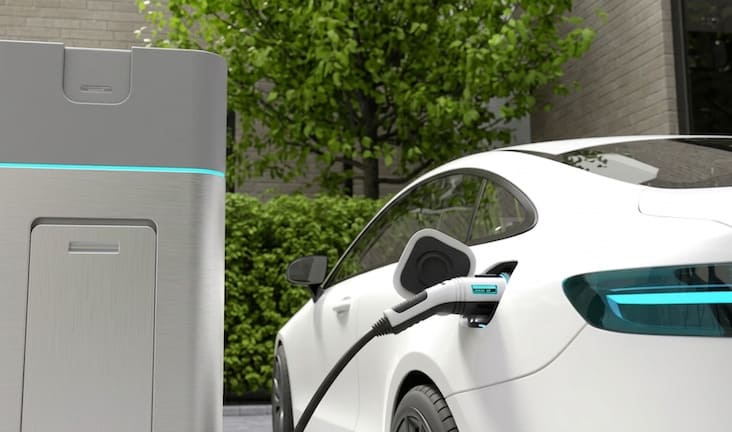
In contrast to the Chinese players, Tesla has committed to infrastructure development in Malaysia under MITI’s Battery Electric Vehicle (BEV) Global Leaders Programme. It has expanded its proprietary DC fast-charging stations across Malaysia, including the Klang Valley, Penang, Perak, Melaka, and Johor. It is also required to fulfil a government mandate to open its charging network to other automakers and has rolled out a network of AC Destination Chargers at popular shopping malls, hotels, and lifestyle hubs. In a show of confidence, Tesla established its Southeast Asia regional head office and service center in Cyberjaya, alongside dedicated service centers in Penang and Johor. MITI’s BEV Global Leaders Programme is open to any manufacturer that meets its requirements, including China’s EV giants. So far, none have committed to this programme.